A fiber-first overview: wool, alpaca, and cotton blends for fall temperatures
The fabric that wraps us in warmth when leaves turn gold often tells a more intimate story about the season than the silhouette of a garment. In fall, the air carries a particular crispness that invites layering, texture, and a certain slow-fashion patience. A fiber-first approach begins with identifying the warmth a knit offers, how it breathes, and how it wears over the course of weeks that drift from amber afternoons to rainy mornings.
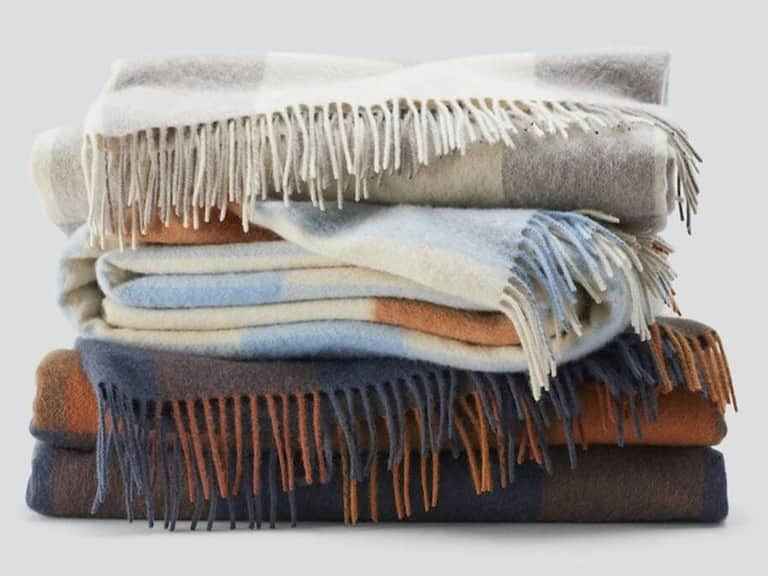
Wool remains the archetype of autumnal insulation. It breathes enough to prevent the clammy feeling of a sweater that never sheds damp warmth, yet it seals in enough heat to keep the chill at bay as sun dissolves into dusk. Wool blends—such as wool with cashmere or alpaca—soften the edge, granting a hand that feels almost velveteen while maintaining robust durability. Alpaca, in particular, delivers a luxurious hand and excellent warmth-to-weight ratio; its fibers absorb less moisture than wool, which translates to a dry, lightweight warmth that sits closer to the skin without the prickliness some wool breeds exhibit.
Cotton, by contrast, is a trusted workhorse for early fall when the weather hasn’t fully declared winter. Pima or organic cotton blends, especially those knit with seed-stitch or rib textures, offer breathable warmth that layers beautifully under a blazer or over a lightweight tee. They are the most forgiving in terms of care—often machine washable and resilient to everyday wear—making them ideal for weekend wardrobes and transitional outfits.
Three warmth paradigms: wool blends, pure alpaca, and cotton blends
- Wool blends: The backbone of most fall wardrobes. They strike a balance between warmth and breathability. Look for blends that carry a high wool content (e.g., 70%+ wool) for strength, with added fibers like nylon or silk to improve elasticity and drape.
- Pure alpaca: A luxurious option that remains surprisingly light yet incredibly warm. Alpaca fibers lack the lanolin that can irritate sensitive skin, and they famously repel moisture to maintain comfort on damp fall days.
- Cotton blends: A versatile option for early fall or milder weeks. Cotton’s breathability shines in knitwear designed for layering—think mid-weight tops and cardigans with careful finishing to retain shape.
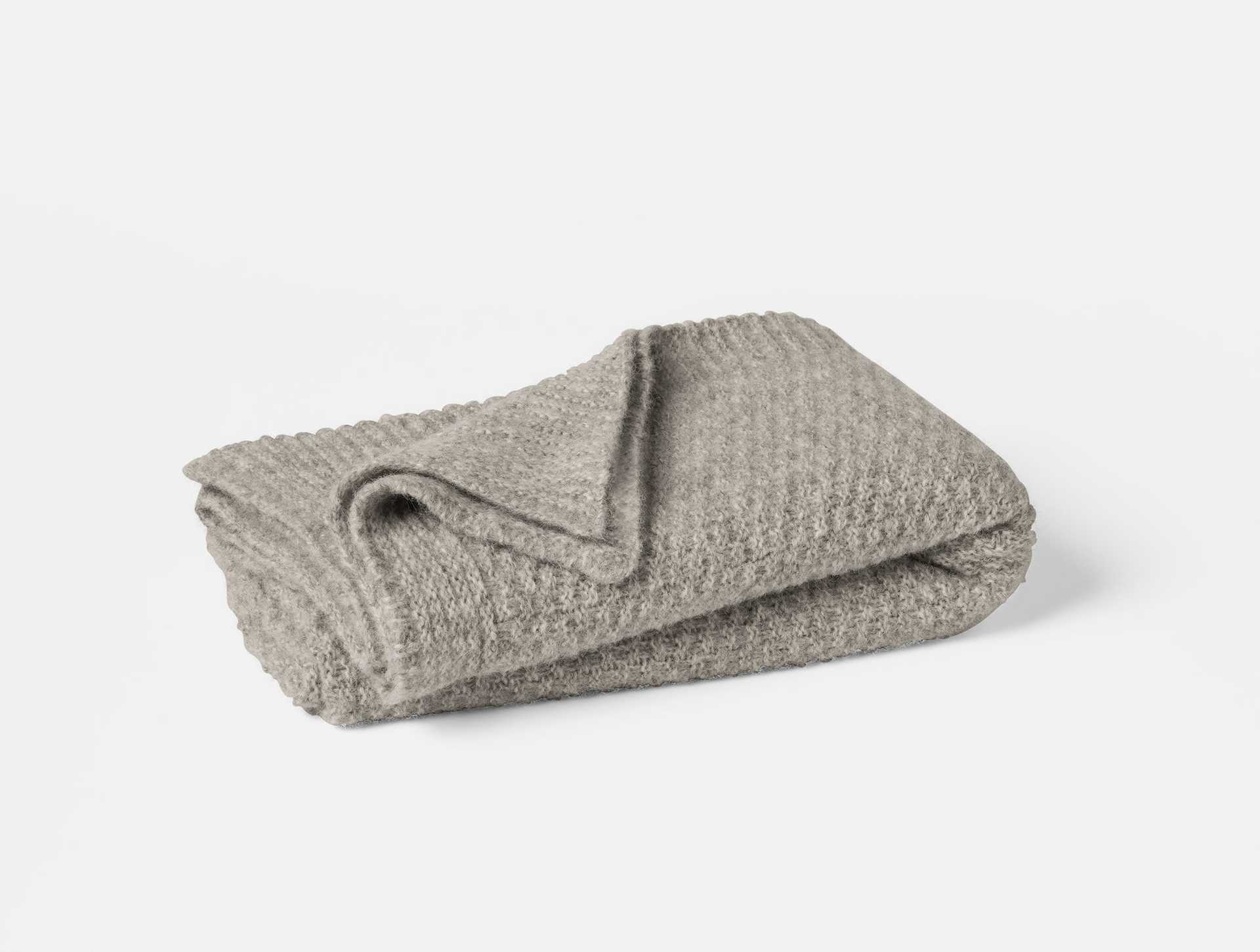
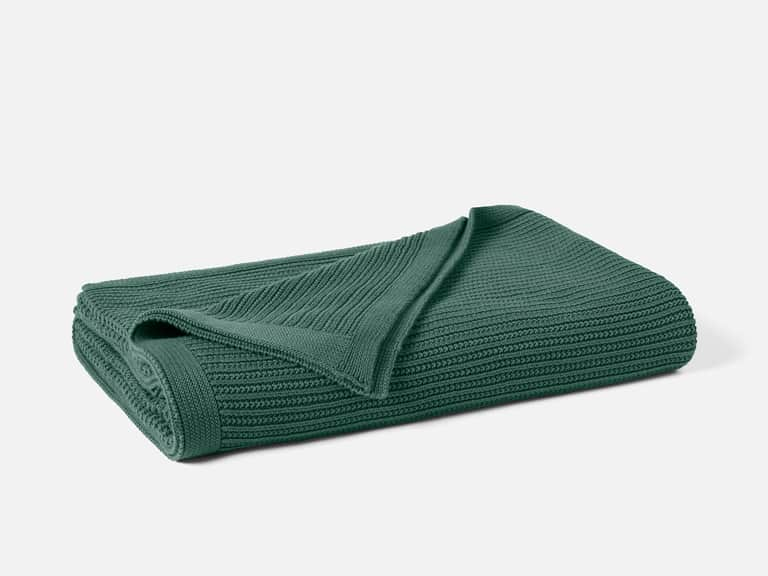
We can anchor this exploration with a concrete example from a thoughtfully curated catalog that speaks to a fall-friendly ecosystem of textiles. Consider the Linea Organic Knit Throw, a 100% organic cotton knit produced in India and certified by GOTS, with Fair Trade factory standards. While a throw sits with décor, its fiber story—organic cotton, ethically produced—echoes a broader fall knit philosophy: natural fibers, responsible sourcing, and a hand that remains breathable and comfortable across a season of changing temperatures.
How to read common knitting patterns: abbreviations, gauge, and layout demonstrations
Reading a knitting pattern is a literacy—a playful and precise one that unlocks a landscape of textures and stitches. The simplest patterns incorporate a few core elements: gauge, stitch abbreviations, and row-by-row instructions. Gauge, the number of stitches per inch, effectively talks to your fabric’s density and drape; mismatched gauge can tilt a pattern from cozy to stiff or baggy.
Start with a swatch to check gauge. If your gauge runs tighter than the designer’s, you may need a larger needle; looser gauge often calls for a smaller needle. Common abbreviations appear in the pattern headers: K for knit, P for purl, and a matrix of combos like K2, P2, or SSK (slip, slip, knit) to shape. The pattern’s layout—chart, grid, or line-by-line instructions—dictates how you approach the work. Charts, often used for lace or colorwork, demand attention to the direction of reading (right-side vs. wrong-side rows) and chart repetition.
For beginners, pattern explainers that break down a stitch glossary and gauge recommendations are indispensable. The goal is not to speed through a pattern, but to develop confidence in understanding what each line asks of your needles and yarn.
Care guides for fall knits: washing, drying, and storage tips
Caring for knits is where the ethos of fall wardrobes becomes practical. Wool, especially, asks for gentle handling. Some wool blends tolerate machine washing on delicate cycles, but many premium wools benefit from hand-washing or professional cleaning to maintain loft and texture. Cashmere or mohair, cherished for their softness, are best treated with careful handwashing and lay-flat drying to preserve shape.
Synthetics or blended fibers may tolerate machine washing but still benefit from gentle detergents and cooler water. Drying matters: a flat surface prevents distortion in shape and length, while hanging can elongate or warp sweaters. After a season, storage should be clean and dry; moths dislike cedar and peppermint oils of natural infusions, but moth-prevention methods should be gentle on delicate fibers.
Seasonal layering: practical tips for fall aesthetics
Layering is the art of combining textures and weights: a fine, ribbed cotton knit under a wool-blend cardigan, or a heavier Aran sweater over a thermally blended base layer. Think color stories that echo autumnal landscapes: creams and browns, deep rusts and forest greens. The editorial voice of fallsweater guides readers toward layering strategies that feel intentional, not cluttered—where each piece has a role in warmth, texture, and mood.
Three key individuals who shaped knitwear aesthetics across time
Knitwear has always been a dialogue between technique and culture. Three figures from different eras illuminate that conversation:
- Anna (Celtic Aran tradition, 19th century): The Aran sweater emerged as a symbol of nautical resilience and coastal craft. Its intricate cable patterns are not mere decoration; they encode regional identity and a learned method of garment construction designed for warmth and wind resistance. The Aran sweater invites readers to consider the weave as emblem, a wearable history that aligns with autumn’s instinct for layered storytelling.
- Margaret C. (Progressive knitwear designer, mid-20th century): The 1950s and 1960s saw knitwear become a language of modern silhouettes. Designers like Margaret C. championed simplification without sacrificing texture, translating traditional stitches into sleek, wearable statement pieces. Her work demonstrates that fall knitwear can be both timeless and contemporary—a duality that remains central to a sustainable wardrobe.
- Nina (Contemporary fiber artist, early 21st century): In today’s global knitting milieu, Nina exemplifies the cross-cultural exchange that defines modern knitwear. She blends artisanal techniques with industrial-scale textile science, promoting fabrics that balance softness with ecological considerations. Her influence underscores a shift toward responsible fiber choices—organic cotton, recycled blends, and transparent supply chains—that align with a conscious autumn wardrobe.
A practical kit for fall knitwear readiness
Let’s anchor the reader with a practical checklist that mirrors the editorial cadence of a New Yorker-style feature: thoughtful selection, guided reading, and care routines that return season after season.
- Start with a fiber map: identify whether you want wool, alpaca, or cotton-based pieces for your climate and comfort.
- Choose a few versatile patterns: a simple stockinette cardigan, a seed-stitch throw, and a ribbed turtleneck for layering variety.
- Invest in a care routine: determine whether a garment benefits from hand washing, dry cleaning, or machine washing with gentle settings.
- Consider sustainability: look for organic or certified fibers and brands with transparent production ethics, such as the Linea Organic Knit Throw, which embodies 100% organic cotton with GOTS and Fair Trade credentials.
Product spotlight: Linea Organic Knit Throw
Linea Organic Knit Throw
A 100% organic cotton knit, grown and knitted in India, offering breathable warmth with a refined hand. The piece is GOTS certified and produced in a Fair Trade factory, ensuring responsible sourcing from fiber to finish.
Details: 50" x 70"; Machine washable cold; delicate cycle recommended. Materials: 100% organic cotton. Certifications: GOTS; Fair Trade.
Where it sits in a fall wardrobe: A flexible layering throw for chilly evenings, casual lounging, or a cozy accent at the foot of the bed. It pairs with artisanal ceramic mugs, chunky sweaters, and a quiet afternoon indoors.
In the world of fallsweater: a curated sense-making approach
The fallsweater domain is a space for thoughtful, non-commercial information about sweaters and fall styling. It acknowledges the crafted, patient nature of knitwear; it treats care as an act of reverence rather than a chore. This is where the editorial voice leans toward the humane—describing hands that knit, stitches that tell a story, and fabrics that age with grace.
Closing reflections: how to approach fall knitwear with clarity and joy
Autumn’s wardrobe is a map of temperatures and moods, a conversation between the indoor warmth of a lamp-lit room and the brisk air outside. When you choose knitwear, you choose a relationship with the season: how you move through it, how you layer, how you preserve the texture and shape that makes fall feel like a story you return to again and again.
Note: Product spotlight reflects a representative item from a curated catalog and is presented to illustrate fiber and production narratives. Images are displayed for the chosen product as requested.